For children living abroad, one of the biggest concerns is knowing whether their ageing parents are safe, comfortable and well supported at home.
A daily phone call can tell you how their day went. A video call can help you stay connected. However, neither may reveal the small changes taking place in their everyday life. Your parents may say, “Everything is fine” because they do not want to worry you or make you feel responsible for returning home.
At the same time, cooking, cleaning, managing medicines, attending appointments or moving around the house may gradually become more difficult.
This does not mean every older person needs to move into a retirement community. Many seniors continue living independently for years with occasional help from family, neighbours or professional caregivers. However, certain changes can indicate that it is time to discuss additional support.
Quick answer: An ageing parent may need better support if they struggle with household tasks, spend most of their time alone, experience mobility problems, skip meals, miss medicines or appointments, lose interest in familiar activities, or leave family members constantly worried about their safety.
If you are considering retirement homes in Kerala for your parents, here are seven important signs to watch for.
Begin by noticing how your parents manage their home.
Cooking, cleaning, shopping, laundry, gardening and arranging repairs can become physically demanding with age. A previously well-maintained home may gradually become cluttered. Groceries may not be replenished regularly, laundry may remain unfinished or necessary repairs may be repeatedly postponed.
These changes do not always mean that your parent can no longer live independently. A temporary illness, pain, fatigue or lack of household assistance could be the cause. However, a continuing decline may indicate that the current arrangement is becoming difficult to manage.
During phone or video calls, ask specific but respectful questions:
Avoid making the conversation feel like an inspection. The objective is to understand which tasks have become difficult and what type of help would make life easier.
Depending on the services offered, a suitable retirement community may reduce daily responsibilities through housekeeping, maintenance, meal arrangements and help coordinating essential services. When comparing retirement homes in Kerala, confirm exactly what is included in the regular fee and which services cost extra.
Loneliness can be difficult to recognise from another city or country. Your parent may sound cheerful during a scheduled call but still spend most of the day without meaningful social contact.
Friends may have moved away, relatives may visit less often and familiar neighbourhood activities may have changed. If one parent has died, the surviving parent may find the home particularly quiet.
Ask yourself: Who does my parent speak to during a normal day?
Occasional time alone is not necessarily a problem. Some people genuinely enjoy privacy. The concern arises when isolation is unwanted or when your parent no longer has regular opportunities to talk, share meals or participate in activities.
Signs of increasing isolation may include:
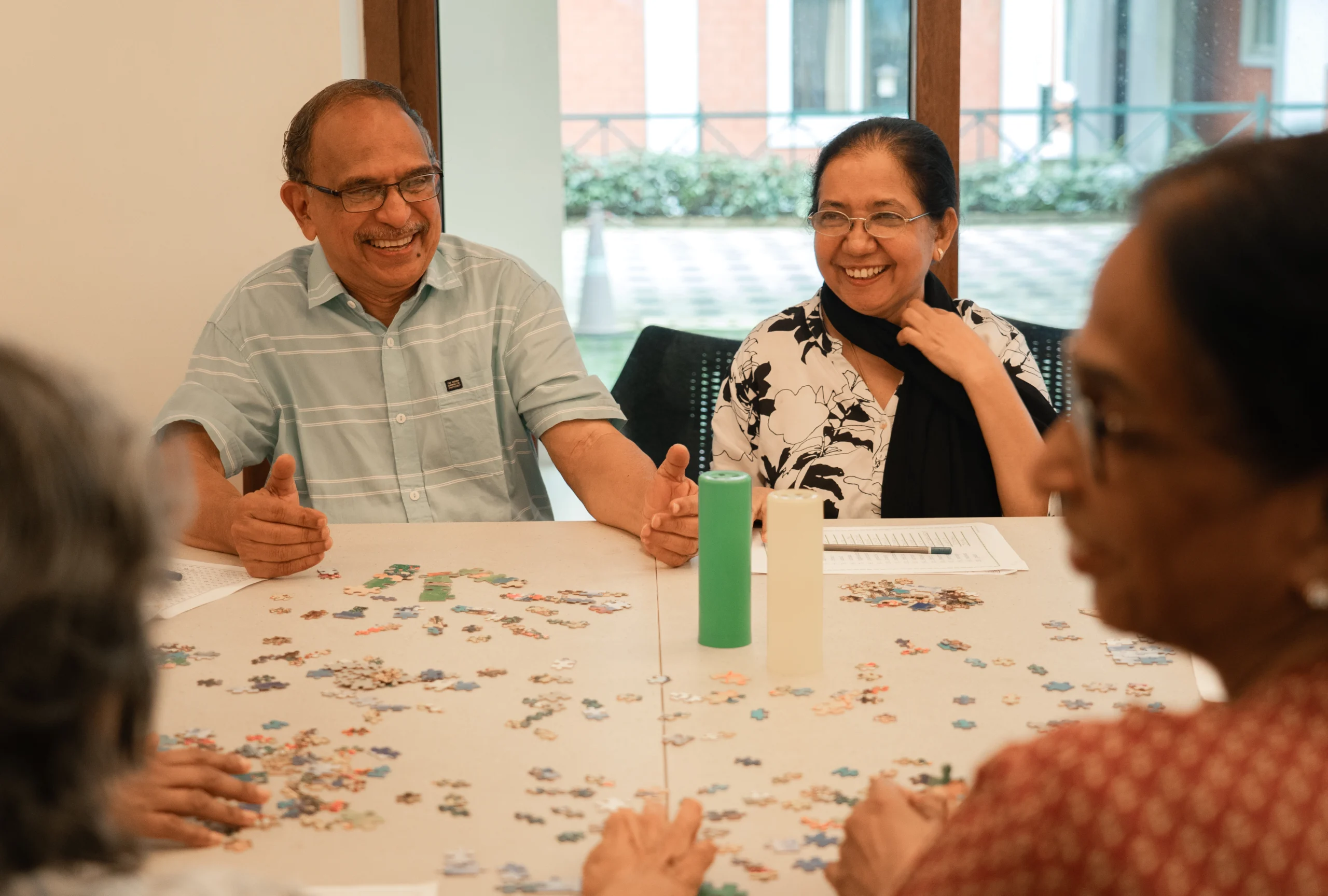
Modern senior living communities can offer opportunities to meet people of a similar age and participate in shared activities. Walking groups, celebrations, games, hobby sessions, cultural programmes and communal meals can make everyday life more engaging.
When visiting retirement homes in Kerala, look beyond the activity calendar. Ask how many residents regularly participate, whether activities suit different interests and whether residents can choose how involved they wish to be.
Changes in mobility deserve careful attention because they can affect independence and safety.
Your parent may begin avoiding stairs, holding on to furniture while walking or finding it difficult to get in and out of a chair. They may stop visiting places they previously enjoyed because the journey feels tiring or uncertain.
Potential warning signs include:
Before deciding that your parent needs to move, consider whether the existing home can be made safer. Better lighting, handrails, non-slip flooring, accessible bathrooms and removing loose rugs or clutter may help. An appropriate professional can assess the home and recommend modifications based on your parent’s needs.
If more support is required, a senior living community may offer step-free access, accessible bathrooms, emergency arrangements and spaces designed for older adults.
Families should not assume that every property is equally accessible. Visit the community with your parent, examine the rooms and common areas, and ask how staff respond if a resident falls or requires urgent help.
Any new or significant mobility problem should also be discussed with a qualified healthcare professional.
Preparing balanced meals every day can become challenging for a person living alone. Shopping may feel exhausting, standing in the kitchen may be uncomfortable or cooking for one may no longer feel worthwhile.
Your parent may begin relying on packaged food, eating the same meal repeatedly or skipping meals altogether. You might notice spoiled food in the refrigerator, unexplained weight changes or a lack of interest in eating.
Instead of asking only, “Did you eat?”, ask what they had for breakfast, lunch and dinner. Specific questions can give you a clearer picture without making the conversation confrontational.
Also consider whether your parent can:
Some retirement homes in Kerala provide organised meals and accommodate certain dietary preferences or restrictions. Services differ, so families should examine menus, meal timings, dining arrangements and the process for requesting dietary changes.
A reliable meal routine can give families abroad valuable reassurance. More importantly, shared dining can turn meals into a social experience rather than another part of the day spent alone.
Older adults may need to manage several medicines, prescriptions, tests and medical appointments. Even an organised person can find a complicated schedule difficult to follow.
Occasionally forgetting an appointment may not be a serious concern. Repeatedly missing medicines, confusing dosages or failing to refill prescriptions deserves closer attention.
Possible signs include:
Speak with your parent calmly and avoid taking control without involving them. Simple measures such as labelled organisers, written schedules, phone reminders or help from a trusted local person may be sufficient.
If you are assessing retirement homes in Kerala, ask detailed questions about healthcare support. Does the community only provide emergency assistance, or can it help coordinate appointments and medicine routines? Is nursing support available, and if so, during which hours? How far away is the nearest hospital?
Never assume that all retirement communities provide clinical or medication-management services. The support required should be discussed with your parent and an appropriate healthcare professional.
Pay attention when a parent becomes less interested in familiar hobbies, social activities or routines.
Perhaps they once enjoyed gardening, attending religious or community events, meeting friends, reading, cooking or going for walks. If they rarely participate now, try to understand why.
The reason may be practical. They may have difficulty travelling, feel physically tired or no longer have a companion to join them. In other cases, a persistent change in mood, behaviour or interest may need professional attention.
Ask open questions such as:
A supportive senior living environment can provide easier access to hobbies, celebrations, shared spaces and companionship. The goal is not simply to keep residents busy. It is to help them preserve meaningful routines, personal interests and a sense of belonging.
If you notice a significant or continuing change in your parent’s mood, behaviour, sleep or interests, encourage them to speak with a qualified healthcare professional.
Sometimes, your own continuing concern is a sign that the current arrangement deserves a closer look.
You may repeatedly wonder:
Living abroad naturally creates some worry. However, if concern is affecting your sleep, work or ability to feel reassured after speaking with your parents, you may need a more reliable support plan.
That plan does not necessarily require an immediate move. It could begin with regular visits from relatives, home-care assistance, meal delivery, safety modifications or an emergency alert system.
Start with an honest conversation. Ask your parents how they feel about their current lifestyle, what they find difficult and what kind of assistance they would welcome. Listen before suggesting solutions.
The idea of moving can feel emotional. Your parent may associate a retirement home with loss of independence or separation from familiar people and places.
Approach the discussion as a family decision rather than a conclusion you have already reached. Focus on what your parent could gain: fewer household responsibilities, better access to support, greater social connection and more time for enjoyable activities.
If possible, compare several communities together. An in-person visit or virtual tour can help your parent understand the environment and ask questions directly. Allow enough time for reflection instead of creating pressure to decide immediately.
If your family decides that a change may be beneficial, compare options carefully. Appearance matters, but it should not be the only consideration.
Evaluate:
Ask to see the actual accommodation your parent would occupy. Speak to current residents where appropriate, request written details about services and carefully review the agreement before making a financial commitment.
Most importantly, involve your parent throughout the process. The right community should respect their routines, choices, privacy and independence.
There is no single age at which a person should stop living alone. The decision should depend on safety, health, mobility, nutrition, social connection and the person’s ability to manage everyday responsibilities.
Not necessarily. Retirement homes or senior living communities may focus on independent living with selected support services. Nursing homes generally provide a higher level of ongoing clinical or personal care. Always confirm the services and eligibility requirements of each facility.
Prioritise emergency arrangements, healthcare access, accessibility, food, staffing, communication with families, social opportunities and transparent fees. It is also important to understand how the community will contact you during an emergency.
Ask specific questions about meals, medicines, appointments, mobility and household tasks. If possible, arrange regular visits from a trusted relative or friend who can observe changes that may not be visible during video calls.
As parents grow older, their needs may change. Providing additional support does not mean taking away their independence.
The right arrangement can help seniors spend less time managing exhausting household responsibilities and more time enjoying their retirement. For children living abroad, carefully selected retirement homes in Kerala may also provide greater peace of mind when they offer suitable safety, social and support services.
The goal is simple: help your parents live safely while continuing to make their own choices and enjoy their lives.
You may not be able to be physically present every day. But through early conversations, careful planning and the right level of support, you can help ensure that your parents have dependable people and a suitable environment around them whenever they need assistance.
Your go-to source for mental health insights, tools, and advice.


