Retirement brings something many people have spent years waiting for: time. After decades shaped by work, family responsibilities, household commitments and fixed schedules, retirees finally have more freedom to decide how each day should look.
However, having free time and enjoying it are not always the same. When work ends and adult children move to different cities or countries, a once-busy routine can suddenly become quieter. Days may begin to feel repetitive, especially when opportunities for conversation, recreation and regular activity are limited.
Senior communities help retirees turn free time into meaningful time by making friendship, hobbies, movement, learning and everyday support easier to access. Rather than simply providing a place to live, a well-planned community can create an environment in which residents remain independent while enjoying a more connected and purposeful daily life.
For retirees and families exploring senior living options, understanding the lifestyle offered by a community is just as important as assessing the residence itself. The right setting can shift the daily question from “How will I fill my time?” to “What would I enjoy doing today?”
Retirement can be a phase shaped by personal interests rather than professional deadlines. Many retirees want to garden, read, sing, cook, travel, practise yoga or learn technology. A senior community can bring suitable spaces, activities and potential companions closer to everyday life. A good community also respects privacy, allowing residents to decide how social or relaxed they want each day to be.
A flexible routine can restore structure without making retirement feel restrictive. A resident might begin with a morning walk, have breakfast with neighbours, spend the afternoon on a hobby and attend a cultural programme in the evening. Even small plans—a regular card game or a daily chat in the garden—can provide something to anticipate.
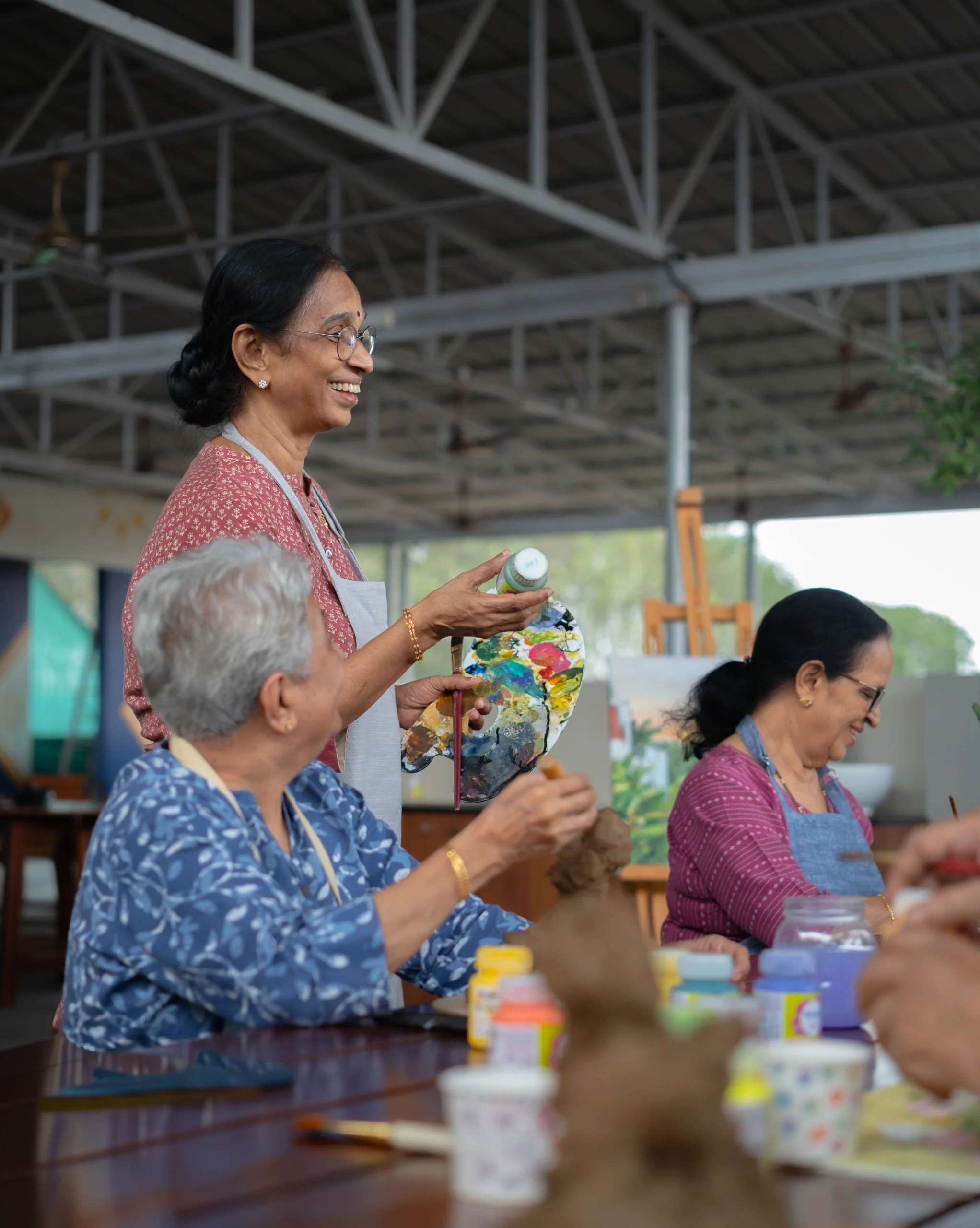
Hobbies are rewarding on their own, but shared interests can add conversation, encouragement and friendship. A gardening enthusiast may exchange planting tips with a neighbour. Someone who enjoys music might take part in a group session. Readers can discuss books, while residents who enjoy cards or board games can find regular companions.
Community living can also help people rediscover interests they had set aside. The outcome need not be a polished performance or finished product; enjoyment, participation and connection are valuable in themselves.
Senior communities create repeated, natural opportunities to meet people at a similar stage of life. A conversation over tea can grow into a friendship. A shared walk can become a morning ritual. Neighbours may celebrate birthdays together, exchange stories or simply check in on one another.
Depending on the facilities and programme, senior communities may offer walking areas, yoga, stretching or other light activities. Group participation can make movement more enjoyable and help residents maintain a regular habit.
Activities should always suit the individual’s health, comfort and mobility. Seniors with medical conditions, recent injuries or specific limitations should seek appropriate professional advice before beginning a new exercise routine. A responsible community should respect those differences rather than take a one-size-fits-all approach.
Festivals, birthdays, cultural programmes and community events can bring energy and variety to the calendar. For residents whose children live elsewhere, shared occasions provide opportunities to participate, contribute and celebrate with people nearby.
A community celebration does not replace family; it creates an additional circle of companionship and reinforces the feeling that each resident is part of community life.
Residents may be interested in art, music, cooking, literature, languages or digital skills. Learning to make a video call, use a payment app or share photos can also make everyday life more convenient and help seniors stay connected with family and friends.
Learning encourages curiosity, provides achievable goals and creates reasons for people to interact. Peer learning can be especially enjoyable: one resident may explain a smartphone feature while another shares gardening knowledge.
Maintaining a large home can demand considerable time and energy. Cleaning, repairs, gardening, security arrangements, meal preparation and routine upkeep may become tiring, even for people who remain independent.
Depending on the community, services such as housekeeping, maintenance, dining or meal support may reduce that burden. This can free residents to focus on relationships, interests and rest instead of coordinating every household task.
Families should confirm which services are included, which cost extra and how frequently they are provided.
Access to pleasant outdoor areas can make a meaningful difference to the day. A garden, courtyard, walking path or shaded seating area may offer a place to read, talk, observe nature or spend a few quiet minutes outdoors.
When evaluating senior communities in Kochi, consider whether outdoor spaces are accessible, well maintained and suitable for the resident’s mobility. Seating, shade, even pathways, handrails and lighting may matter as much as appearance.
A fulfilling retirement is not defined only by the number of activities available. People also want to feel recognised, included and useful.
Residents may find purpose by welcoming a new neighbour, helping with an event, leading a hobby group, sharing a skill or supporting a friend. These small contributions allow people to remain active participants in community life rather than passive recipients of services.
The right community is not necessarily the most expensive or luxurious. It is the one whose accommodation, services, environment and level of support fit the resident’s needs, interests and preferred way of living.
Before deciding, visit if possible, observe daily life and ask about:
Ask what happens on an ordinary weekday, not only during special events. If a retiree needs help with medication routines, mobility or personal care, compare assisted communities in Kochi. Assess the required support with the older adult and, when appropriate, qualified healthcare professionals.
Retirement offers something working life often limits: the freedom to choose how time is spent. A person can read without watching the clock, tend to plants, join a wellness session, learn a skill, play a favourite game or talk with friends over tea.
These moments may appear simple, but together they can create a satisfying rhythm of connection, choice and purpose. The best senior communities in Kochi do more than fill a calendar. They make it easier for retirees to shape days that reflect who they are and what they enjoy.
Because retirement is not about having less to do. It is about finally having the freedom to choose what feels worth doing.
How do senior communities make retirement more meaningful?
Senior communities can make retirement more meaningful by providing regular opportunities for friendship, hobbies, learning, movement and participation. They also may reduce household responsibilities, giving residents more time for activities and relationships they value.
What activities are commonly available in senior communities?
Activities vary by community but may include walking, yoga, games, music, gardening, reading groups, cultural celebrations, art, cooking and digital learning. Families should review the actual activity calendar and confirm how often programmes are conducted.
Are senior communities only for people who need assistance?
No. Some communities are designed for independent seniors who want a convenient, social lifestyle. Others provide assisted support for residents who need help with daily activities. The right option depends on the individual’s health, mobility, independence and preferences.
What should families look for in senior communities in Kochi?
Families should consider safety, accessibility, staff support, healthcare coordination, dining, maintenance, social activities, outdoor spaces, privacy and total costs. The resident’s comfort and preferences should remain central to the decision.
Can residents maintain privacy in a senior community?
Yes, in a well-designed community residents can usually choose when to join activities and when to enjoy private time. Before selecting a community, confirm its accommodation layout, visitor rules, daily routines and approach to resident independence.
How can families identify the best assisted community in Kochi?
The best choice is the community that matches the resident’s specific care needs, lifestyle, budget and preferences. Families should visit shortlisted options, review services and costs, ask about staff and emergency procedures, and involve the older adult and relevant healthcare professionals in the decision.
Your go-to source for mental health insights, tools, and advice.