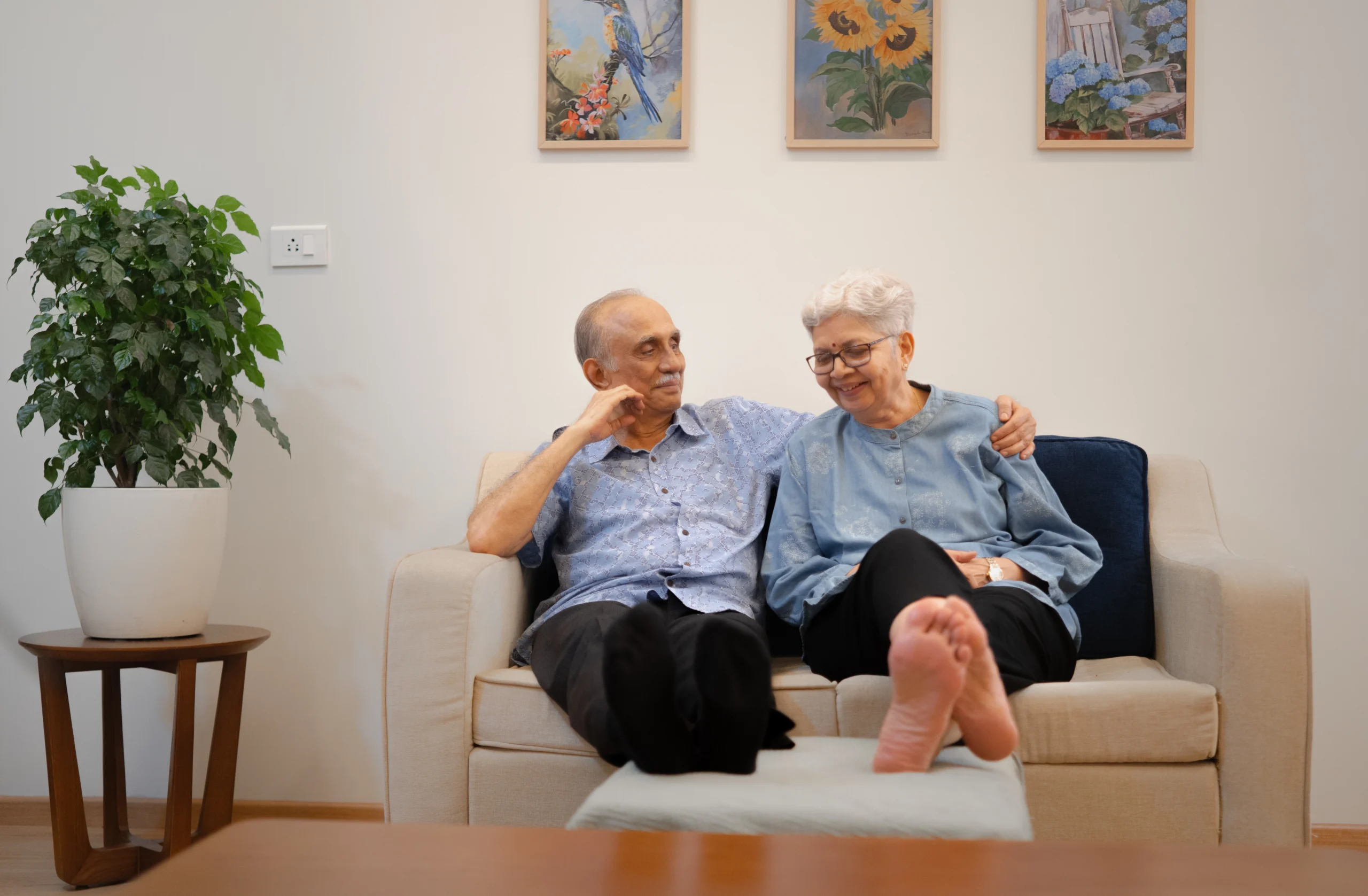
For many people, owning a spacious home represents years of hard work and achievement. It may be where children grew up, festivals were celebrated and important family milestones took place. Every room can hold a meaningful memory.
Life, however, often changes after retirement.
Adult children may move to another city or country. Rooms that were once busy may remain unused. Yet the entire property still requires cleaning, maintenance and security. Gardens need attention, repairs must be arranged and household expenses continue even when only one or two people live there.
At this stage, many seniors begin asking an important question:
“Do I still want to spend my retirement managing a large house?”
For people who want a simpler and more convenient lifestyle, retirement homes in Kerala may offer a practical alternative. They can provide private living spaces, community facilities and selected support services while reducing the responsibilities associated with maintaining a large property.
A large home may feel familiar and comfortable, but maintaining it can become physically and mentally demanding with age.
Cleaning several rooms, supervising domestic workers, maintaining outdoor areas and arranging plumbing or electrical repairs all require time and energy. Seniors may also have to manage security, utility bills, grocery shopping and routine property upkeep.
Common challenges include:
These responsibilities can gradually take attention away from the things that make retirement enjoyable.
Retirement should create more freedom—not replace professional responsibilities with continuous property management.
Retirement homes are designed around the needs and preferences of older adults. Although facilities vary between communities, the central idea is simple: residents have their own comfortable living space without having to manage every aspect of a large independent property.
Depending on the retirement community, services and amenities may include:
This can give seniors more time for reading, walking, travelling, meeting friends, pursuing hobbies or simply relaxing.
A retirement home is not automatically a care institution. Many communities are created for active, independent seniors who want convenience, companionship and a more manageable home.
Moving into a smaller residence may initially feel like giving something up. In practice, it can create a strong sense of freedom.
There are fewer rooms to clean, fewer repairs to supervise and fewer possessions to organise. Everyday routines can become easier, especially when the home is designed with senior-friendly features.
Downsizing can also encourage families to preserve what matters most. Important photographs, heirlooms and personal belongings can move with the resident, while items that are no longer needed can be shared with family members, donated or sold.
The objective is not to erase the past. It is to create a home that supports the next stage of life.
For many residents, a well-designed private apartment combined with shared facilities provides the right balance between personal space and community life.
For seniors who prefer an urban or semi-urban lifestyle, retirement homes in Kochi may be worth exploring.
Kochi provides access to hospitals, pharmacies, shops, restaurants, places of worship, transportation and cultural activities. It can also be convenient for seniors whose children or relatives live in or regularly travel through the city.
Location should be evaluated carefully because the right choice depends on the resident’s lifestyle and priorities.
Before selecting a retirement home in Kochi, consider:
A property may look attractive in photographs, but its surroundings will influence everyday comfort. Families should visit the location, preferably at different times of day, before reaching a decision.
One of the greatest benefits of reducing household responsibilities is gaining control over your time.
Imagine beginning the morning with a relaxed walk instead of supervising cleaning or garden work. Rather than spending an afternoon waiting for a repair technician, you could read, exercise, speak with friends or attend an activity.
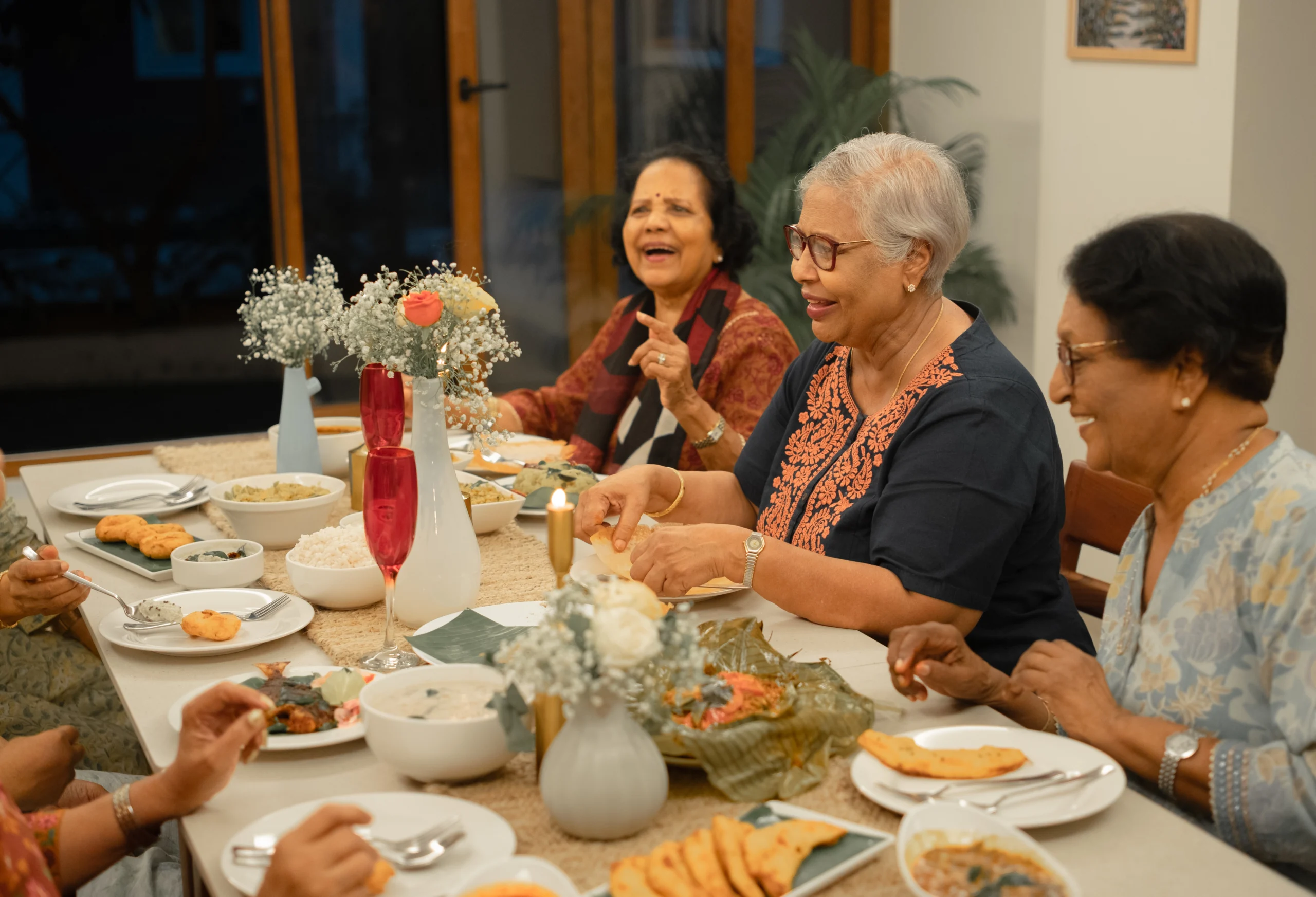
Residents may choose to participate in yoga, gardening, music, games, cultural programmes, group outings or festival celebrations when these are available. Those who prefer solitude can continue enjoying their own routines within their private space.
Community living should not require constant social participation. A good retirement home allows residents to decide when they want company and when they want privacy.
A large house may provide space, but it does not necessarily provide companionship.
When children move away and old neighbourhood networks become less active, seniors can sometimes spend long periods alone. Even people who value independence may appreciate having familiar faces nearby.
Retirement communities can create natural opportunities for conversation and friendship. Residents may meet during walks, meals, activities or celebrations. These everyday interactions can help people feel connected without requiring complicated travel arrangements.
Social connection can also make daily life more interesting. Residents may discover new hobbies, exchange experiences and develop friendships with others at a similar stage of life.
When evaluating a community, ask about its activity calendar but also observe whether residents appear comfortable and genuinely engaged.
Families often use the terms “retirement home” and “assisted living” interchangeably, but they may describe different levels of support.
A retirement home or independent senior-living community generally suits people who can manage most daily activities on their own but want a safer, easier and more social lifestyle.
Assisted living in Kochi, on the other hand, may be suitable for seniors who require help with selected daily activities. Depending on the provider, assistance could include support with personal routines, medication reminders, meals, housekeeping, mobility or healthcare coordination.
The exact services can vary significantly. Families should never make assumptions based only on the phrase “assisted living.”
Ask the provider:
The right option should match the resident’s present requirements while also considering needs that could reasonably develop later.
The best retirement homes in Kochi are not necessarily the most expensive or luxurious. The best choice is the one that fits the senior’s health, preferences, budget and desired way of life.
Use the following criteria when comparing communities.
Inspect the room or apartment, storage, natural light, ventilation and bathroom design. Check whether the space is easy to navigate and whether residents can bring personal furniture or decorations.
Look for handrails, non-slip flooring, elevators, ramps, adequate lighting and accessible bathrooms. Ask about security, visitor management, emergency call systems and evacuation procedures.
Find out whether healthcare professionals visit the property and how residents reach hospitals or clinics. Confirm what the community does during an emergency.
Review sample menus and ask whether the kitchen accommodates dietary restrictions. Understand whether meals are mandatory, optional or included in the monthly fee.
Clarify how often housekeeping is provided, what it includes and how quickly maintenance concerns are addressed.
Ask about recreation, exercise, celebrations and resident groups. Look for a schedule that offers variety without pressuring residents to participate.
Request a written explanation of deposits, recurring charges, service fees, refund policies and annual increases. Ask which services cost extra.
A healthy, independent senior may need more assistance later. Ask whether additional care can be arranged without requiring an immediate move to another facility.
A brochure or website can introduce a community, but an in-person visit provides a clearer picture.
Observe the cleanliness, accessibility and general atmosphere. Speak with staff members and, where appropriate, existing residents. Ask how concerns are handled and how families receive updates.
Consider staying for a meal or attending an activity if the community permits it. This can reveal more about everyday life than a formal tour.
Most importantly, include the senior in every stage of the decision. The future resident’s comfort, preferences and sense of independence should guide the final choice.
Leaving a long-term family home can be emotional. A large house may represent achievement, identity and family history. These feelings should be acknowledged rather than dismissed.
At the same time, moving can be a positive and independent decision.
Choosing a retirement community does not mean a senior has failed to manage alone. It may mean that the person values time, convenience, safety and companionship more than maintaining unused space.
Instead of caring for empty rooms, residents can focus on relationships and experiences. Instead of worrying about household repairs, they can enjoy their morning walk. Instead of spending evenings alone, they can choose to meet neighbours or join a community activity.
Your home should support the life you want to lead.
If maintaining a large house has become tiring, expensive or unnecessary, exploring retirement homes in Kerala can be a sensible next step. The right community may offer a manageable private residence, fewer household responsibilities and more opportunities for recreation and companionship.
For seniors who value city access, retirement homes in Kochi may offer a useful balance between comfortable community living and proximity to essential services. Those who need support with daily routines can also explore suitable options for assisted living in Kochi.
Retirement is time you have earned. After years of taking care of homes, careers and families, you can choose a lifestyle that gives you more freedom to enjoy each day and less time managing a house.
Retirement homes in Kerala can offer seniors private accommodation with reduced maintenance responsibilities. Depending on the community, residents may also have access to housekeeping, meals, security, recreation, wellness facilities and social activities.
No. Many retirement homes are designed for active and independent seniors who want a manageable home and a community-oriented lifestyle. Seniors who need regular help with daily activities should ask about assisted-living or care services.
Independent retirement living generally focuses on convenience, safety and social opportunities. Assisted living provides additional help with selected daily activities. Since services vary, families should obtain a written list of what each provider includes.
Families should compare location, accessibility, accommodation, security, emergency procedures, healthcare access, food, housekeeping, activities, costs and contract terms. They should also visit the property and speak with staff and residents before deciding.
Most retirement communities permit family visits, but visitor policies, timings and guest-stay arrangements differ. Ask the provider about visiting hours, overnight guests, family participation in events and any related charges.
Your go-to source for mental health insights, tools, and advice.