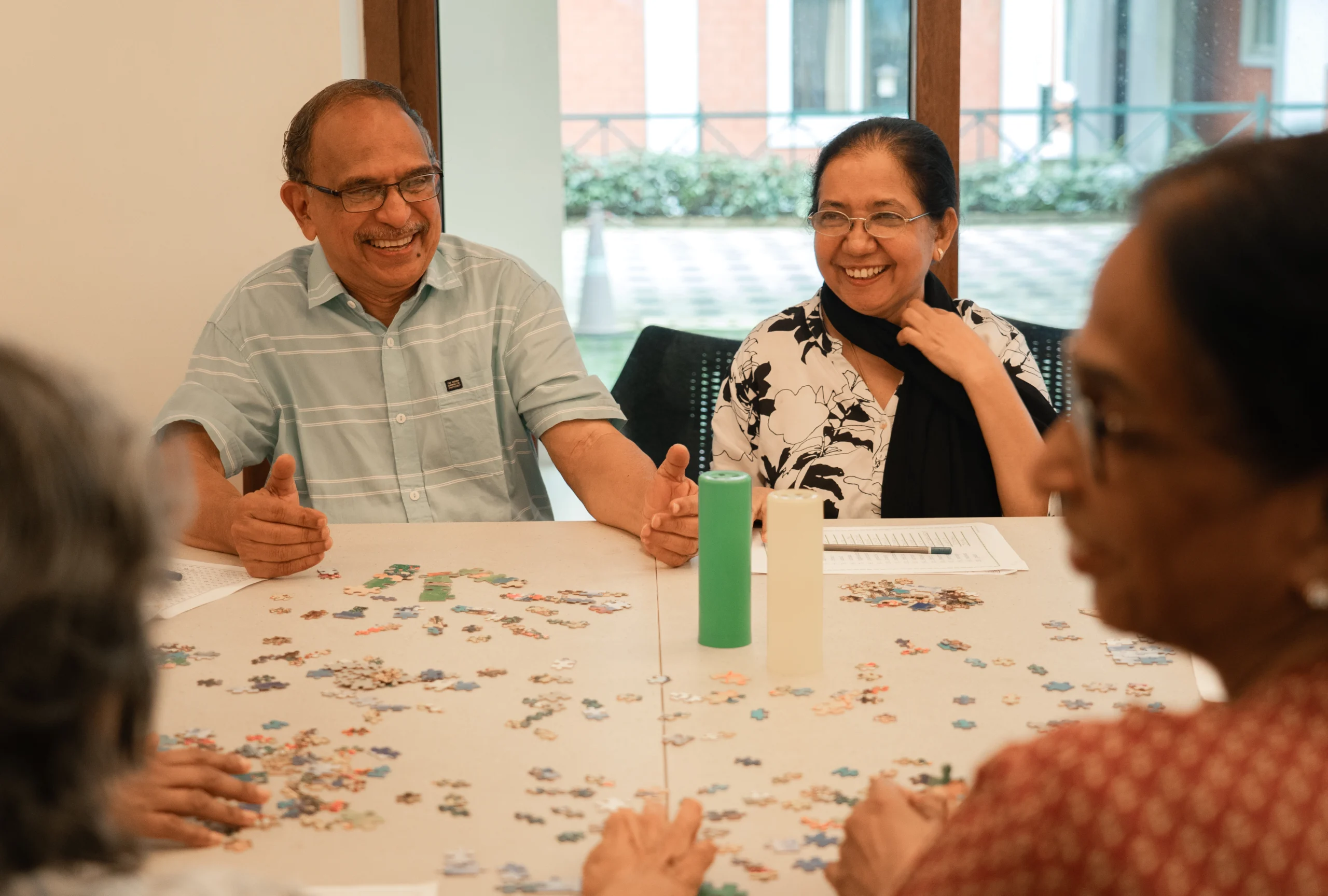
As people grow older, their daily needs, lifestyle preferences, and healthcare requirements gradually change. Activities that once felt simple, such as preparing meals, managing medications, maintaining a household, or moving around independently, may become more challenging. At the same time, many senior citizens wish to maintain their independence, enjoy social connections, and live in a safe and comfortable environment.
This is where assisted living in Kerala becomes an important option for families looking for reliable senior care solutions. Assisted living provides older adults with a supportive residential environment where they can receive help with everyday activities while maintaining as much independence as possible.
Kerala has a strong tradition of family care and respect for older generations. However, changing family structures, employment opportunities in other cities and countries, and increasingly busy lifestyles have created new challenges for elderly care. Many families are now exploring professional senior living arrangements that combine personal assistance, safety, companionship, and comfortable accommodation.
This guide explains what assisted living means, the services generally available, who can benefit from it, and what families should consider when choosing assisted living facilities in Kerala.
Assisted living is a residential care arrangement designed for senior citizens who need some assistance with everyday activities but do not necessarily require continuous hospital-based medical care.
Unlike completely independent living, assisted living provides access to support services that help residents manage their daily routines comfortably. These services may include personal care, meal assistance, housekeeping, medication reminders, mobility support, and social activities.
The primary purpose of senior assisted living is to create a balance between independence and assistance.
For example, an elderly person may be able to walk, communicate, and participate in daily activities but may need help with bathing, dressing, preparing meals, or remembering medication schedules. Assisted living can provide the necessary support without taking away their sense of independence.
In simple terms, assisted living allows senior citizens to enjoy a comfortable residential lifestyle while receiving help with activities they find difficult to manage independently.
Kerala has traditionally followed a family-centred approach to elderly care. Parents often live with their children or receive regular assistance from family members. However, social and economic changes have influenced how families organise senior care.
Several factors have increased the need for professional assisted living facilities in Kerala.
Many younger family members move to cities or other countries for education and employment. As a result, elderly parents may spend extended periods living alone.
Even when children remain emotionally connected and financially supportive, providing daily physical assistance can become difficult from a distance.
Assisted living offers an organised residential environment where seniors can receive regular support.
Ageing can affect mobility, balance, memory, and physical strength. Some elderly individuals may need assistance with routine activities such as bathing, dressing, eating, and walking.
Professional senior care services can help address these changing needs while promoting dignity and comfort.
Living alone can reduce opportunities for regular social interaction. Some elderly people experience loneliness when family members are occupied with work or live elsewhere.
Assisted living communities may provide opportunities for conversations, group activities, celebrations, and shared experiences.
Older adults may face an increased risk of falls, mobility-related injuries, and difficulties responding to emergencies.
A well-managed assisted living environment can provide safety measures, accessible spaces, and appropriate supervision based on residents’ individual needs.
Caring for ageing parents requires time, attention, and emotional commitment. Families balancing professional responsibilities and household activities may find it difficult to provide continuous assistance.
Assisted living can complement family care by providing structured daily support while allowing relatives to remain actively involved in their loved one’s lives.
The services offered by assisted living facilities vary depending on the organisation, accommodation type, staffing arrangements, and residents’ care requirements.
Families should understand the available services before choosing a senior living facility.
Personal care is one of the most important aspects of assisted living.
Depending on individual requirements, residents may receive assistance with:
These services help seniors manage everyday activities with dignity and appropriate assistance.
Proper nutrition plays an important role in healthy ageing. Older adults may have specific dietary requirements depending on their health conditions and personal preferences.
Assisted living facilities may provide:
In Kerala, familiar home-style food can also help residents feel more comfortable in their new surroundings.
Some senior citizens take multiple medications for ongoing health conditions. Remembering medication schedules can become challenging, particularly for individuals experiencing memory difficulties.
Depending on the facility’s services and staff qualifications, support may include medication reminders, assistance with prescribed schedules, and coordination with healthcare professionals.
Families should confirm whether medication administration and monitoring are included and who is responsible for these activities.
Maintaining a household can become physically demanding with age.
Assisted living facilities may provide housekeeping services such as:
These services help residents enjoy a clean and organised living environment without managing every household responsibility themselves.
Although assisted living is not the same as a hospital or nursing facility, access to healthcare coordination is an important consideration.
Depending on the facility, support may include:
Families should distinguish between basic healthcare coordination, nursing care, and continuous medical supervision before selecting a facility.
Social participation is important for emotional wellbeing and maintaining an active lifestyle.
Senior living communities may organise activities such as:
These activities can encourage friendships, reduce social isolation, and provide a sense of community.
Assisted living is not suitable for every elderly person. Its suitability depends on physical health, cognitive abilities, medical requirements, personal preferences, and the level of assistance available.
The following groups may benefit from exploring senior assisted living.
Senior citizens whose children live in other cities or countries may benefit from a residential setting that provides everyday assistance and opportunities for social interaction.
Individuals who have difficulty walking, climbing stairs, or completing household activities may benefit from accessible accommodation and appropriate mobility assistance.
Seniors who need help with bathing, dressing, grooming, or meals may find assisted living helpful when the facility can meet their specific care requirements.
Some older couples prefer to live together in a residential community where they can enjoy companionship while accessing assistance when needed.
Older adults who want opportunities to interact with people of similar age groups may appreciate the community environment offered by senior living facilities.
Important: Individuals who require continuous skilled nursing, advanced medical monitoring, or specialised dementia care may need a higher level of care than a standard assisted living facility can provide.
Families often use these terms interchangeably, but they describe different levels of residential support.
Understanding the differences helps families identify an appropriate care environment.
| Feature | Independent Living | Assisted Living | Nursing Home |
| Independence | High | Supported independence | Varies |
| Personal care | Usually self-managed | Assistance available | Extensive assistance |
| Daily activities | Mostly independent | Supported | Often staff-assisted |
| Healthcare | Usually arranged independently | Healthcare coordination varies | Clinical and nursing care |
| Medication support | Generally self-managed | Depends on facility | Usually available |
| Social activities | Community-based | Structured activities may be available | Depends on facility |
| Medical supervision | Limited | Varies | Higher level |
The right choice depends on the individual’s daily care requirements rather than age alone.
A senior citizen who is physically active but needs occasional assistance may prefer assisted living. Someone who is medically dependent may require a nursing care environment instead.
Choosing a senior living facility involves more than checking the accommodation or location. Families should evaluate the overall environment, staff availability, safety arrangements, and quality of everyday care.
Here are some important facilities and features to consider.
Rooms should be clean, well-ventilated, adequately lit, and designed to support elderly residents.
Look for features such as:
The quality of care depends significantly on the people responsible for residents’ daily support.
Families should ask about staff qualifications, caregiver experience, staff availability, and the process followed when residents need assistance.
Medical emergencies can occur unexpectedly, especially among older adults.
Check whether the facility has:
Cleanliness is essential for maintaining a healthy residential environment.
Pay attention to room maintenance, bathroom hygiene, food preparation areas, laundry arrangements, and common spaces.
Ask whether meals are prepared regularly and whether individual dietary requirements can be accommodated.
This is particularly important for residents who need medically recommended diets.
Regular family interaction helps seniors maintain emotional connections.
Families should understand visiting policies, communication arrangements, and whether relatives can participate in activities or important events.
Selecting a suitable assisted living facility requires careful evaluation. Families should not make decisions based only on photographs, advertisements, or attractive accommodation descriptions.
A personal visit and direct discussion with the management team can provide a much clearer understanding.
Start by identifying the level of assistance required.
Consider mobility, personal care, medication routines, medical conditions, dietary needs, and social preferences.
A healthcare professional can help assess whether assisted living is an appropriate option.
Visit the premises to observe the actual living environment.
Check room conditions, bathrooms, dining areas, common spaces, accessibility, and general cleanliness.
Ask how many caregivers are available, whether assistance is provided around the clock, and how emergencies are handled.
Do not assume that a facility offers 24-hour nursing simply because it advertises senior care.
Find out whether doctors visit the facility, how medical appointments are organised, and whether emergency hospital transfers are available.
Also clarify whether the facility can manage the specific health conditions of the intended resident.
Understand the daily schedule, meal timings, recreational activities, exercise opportunities, and dietary flexibility.
A comfortable routine can make a significant difference in a senior’s adjustment to residential living.
One of the most important steps is discussing the decision with the senior citizen.
Moving into assisted living is a major lifestyle change. Their comfort, concerns, preferences, and willingness to participate should be respected.
Whenever possible, allow them to visit the facility, meet the staff, and understand the living arrangements before making a decision.
Physical assistance is only one part of elderly care. Emotional wellbeing, dignity, companionship, and a sense of belonging are equally important.
Many older adults experience emotional challenges when their children move away, their social circles become smaller, or their physical abilities change.
A supportive senior living environment can help address some of these challenges through regular interaction and meaningful activities.
Having opportunities to talk with others, celebrate festivals, participate in hobbies, and maintain daily routines can contribute to a more fulfilling lifestyle.
Families also play an important role. Assisted living should not mean reducing family involvement. Regular visits, phone calls, shared celebrations, and emotional support help residents maintain meaningful relationships.
The goal should be to create a lifestyle where elderly individuals feel respected, connected, and comfortable.
Yes. Although both provide residential arrangements for senior citizens, their service models and care approaches may differ.
Traditional old age homes may focus primarily on accommodation, meals, and general residential support. Assisted living facilities generally aim to provide a more structured level of daily assistance based on residents’ individual needs.
However, the terminology is not consistently regulated or used across every provider. Some old age homes offer comprehensive personal care, while some facilities marketed as assisted living provide only basic support.
Therefore, families should evaluate the actual services, staff qualifications, safety arrangements, and healthcare support instead of relying only on the facility’s name.
The need for organised senior care is expected to remain an important consideration as Kerala’s population ages and family living arrangements continue to evolve.
Modern senior living is increasingly associated with accessibility, personalised assistance, community participation, and age-friendly residential design.
Facilities that focus on resident dignity, trained caregiving, appropriate healthcare coordination, nutritious food, and meaningful social engagement can contribute to improving the senior care experience.
Technology may also support this sector through emergency alert systems, digital health records, family communication platforms, and remote healthcare coordination.
However, technology cannot replace attentive human care. Compassionate caregivers, responsive management, and respectful treatment remain essential elements of quality assisted living.
Choosing a senior living environment is an important decision for both elderly individuals and their families. Comfort, safety, personal attention, and a welcoming atmosphere should always remain priorities.
At Bless Homes, the focus is on providing a comfortable residential environment where senior citizens can experience a sense of belonging and enjoy their everyday lives.
Families exploring senior living in Kerala should consider the living environment, available support services, accessibility, and the individual care requirements of their loved ones when evaluating suitable options.
Whether families are exploring senior assisted living for ageing parents or looking for a supportive residential arrangement for elderly family members, understanding their needs is the first step towards making a responsible decision.
A good senior living environment should not simply provide accommodation. It should help older adults maintain their dignity, independence, social connections, and quality of life.
Assisted living in Kerala refers to residential care arrangements designed for senior citizens who need help with everyday activities while maintaining as much independence as possible. Services may include personal care, meals, housekeeping, medication reminders, mobility assistance, and social activities, depending on the facility.
Senior assisted living may be suitable for elderly individuals who experience mobility difficulties, need help with personal care, live alone, or require regular assistance with daily activities. It can also benefit older adults who prefer a supportive community environment.
Facilities vary between providers but may include comfortable accommodation, nutritious meals, housekeeping, laundry, personal care assistance, medication support, recreational activities, healthcare coordination, and emergency response arrangements.
Assisted living primarily supports seniors with everyday activities while promoting independence. Nursing homes generally provide a higher level of medical and nursing care for individuals with more complex healthcare requirements. The appropriate option depends on the resident’s medical and personal care needs.
Families should evaluate accommodation, staff qualifications, caregiver availability, personal care services, food quality, hygiene, accessibility, healthcare coordination, emergency arrangements, and family visiting policies. Visiting the facility personally and involving the elderly person in the decision are also important.
Your go-to source for mental health insights, tools, and advice.